
Getting Started with Scootering/Canicross
You need a variety of specialised equipment to enjoy dog scootering sports. Whether you’re planning to compete in events or simply have fun with your dog, having the right gear ensures both safety and enjoyment on your adventures.
From high-end racing rigs to professional equipment, getting into competitive dog sports can be costly and overwhelming for beginners. However, if you’re just looking for a fun way to exercise with your dog and explore the outdoors together, a scooter might be perfect for you.
Scooters are versatile, affordable, and easy to transport. They’re ideal for both urban paths and trail adventures – even on routes where traditional dog sport rigs can’t go. Take a look at our Scooter Guide to learn how you can get started with this exciting activity.
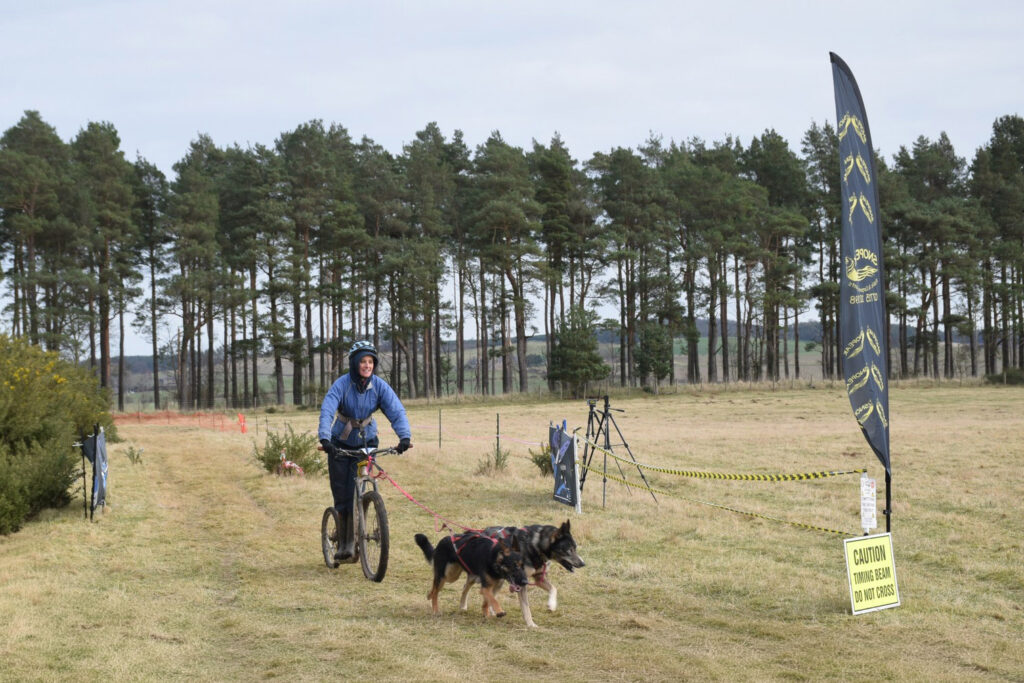
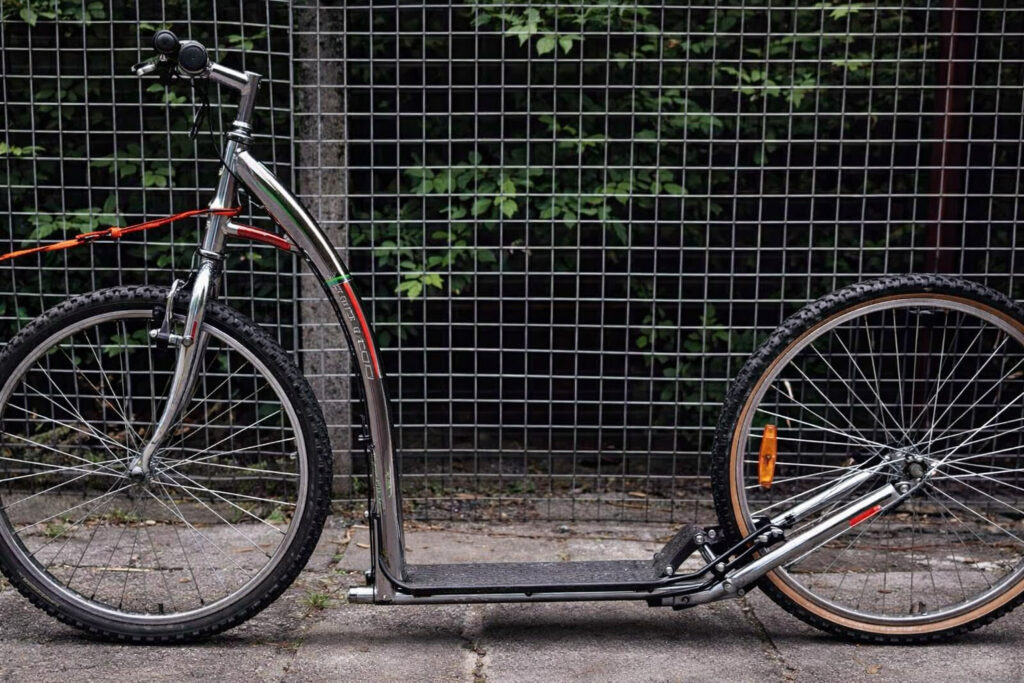
Scooter
Scooters are two-wheeled, bike-like items used for lightweight training in dryland mushing. They are designed to help dogs build strength and stamina while offering the musher a simple, agile way to guide the team. Scooters are typically made from lightweight materials like aluminium, with a platform for standing, handlebars for steering, and a brake system for control.
Usage Tips: Start with short training sessions to get your dogs accustomed to the scooter. Ensure the handlebars and brakes are properly adjusted for comfort and safety. Choose a scooter with durable tires suitable for various terrains.
Importance: Scooters are ideal for lightweight training, allowing you to work on your dogs’ fitness and responsiveness in a controlled environment. They are perfect for training runs where you don’t need the full rig, helping you gradually build your team’s strength and coordination.
Harnesses
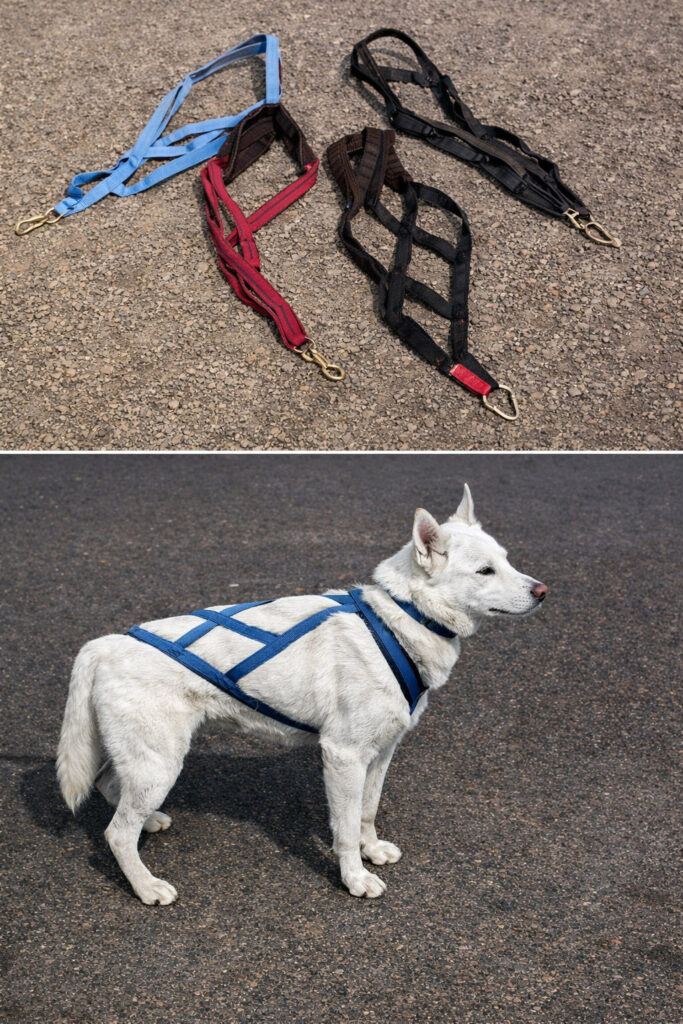
Harnesses are the most crucial piece of equipment in sled dog racing, designed to distribute the dog’s pulling force evenly across their body. They come in various designs, such as X-back, H-back, and half-harnesses, each suited for different types of dogs and racing conditions.
Usage Tips: Ensure the harness fits snugly without restricting movement. Regularly check for wear and tear, as a well-maintained harness is key to your dog’s comfort and performance.
Importance: A properly fitting harness prevents injury and maximises your dog’s power and efficiency, making it essential for both short sprints and long-distance races.
Connecting Line
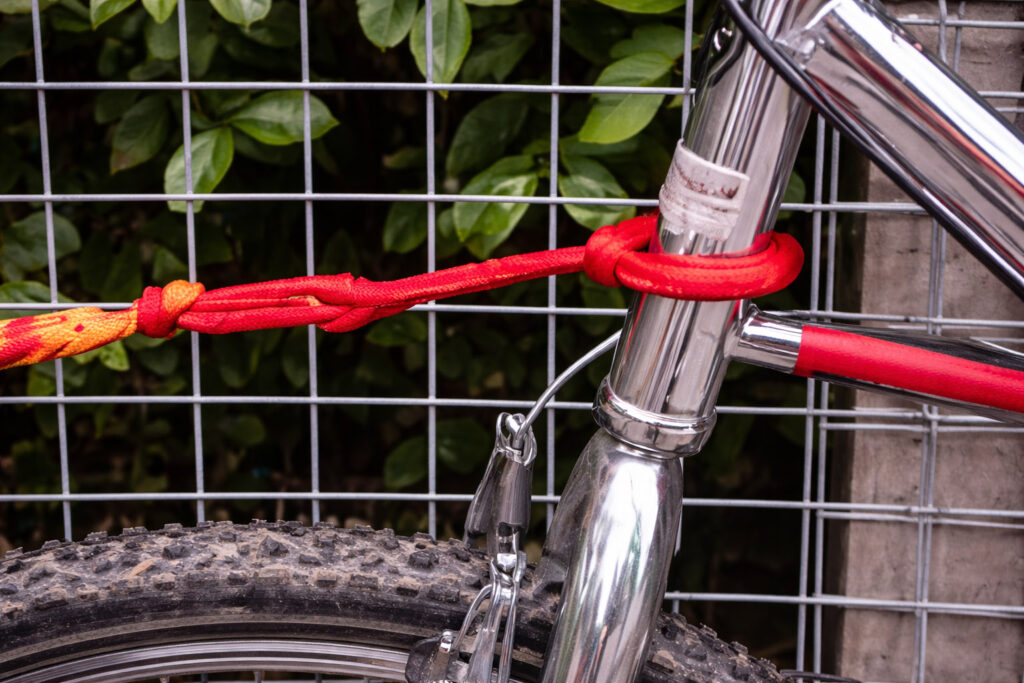
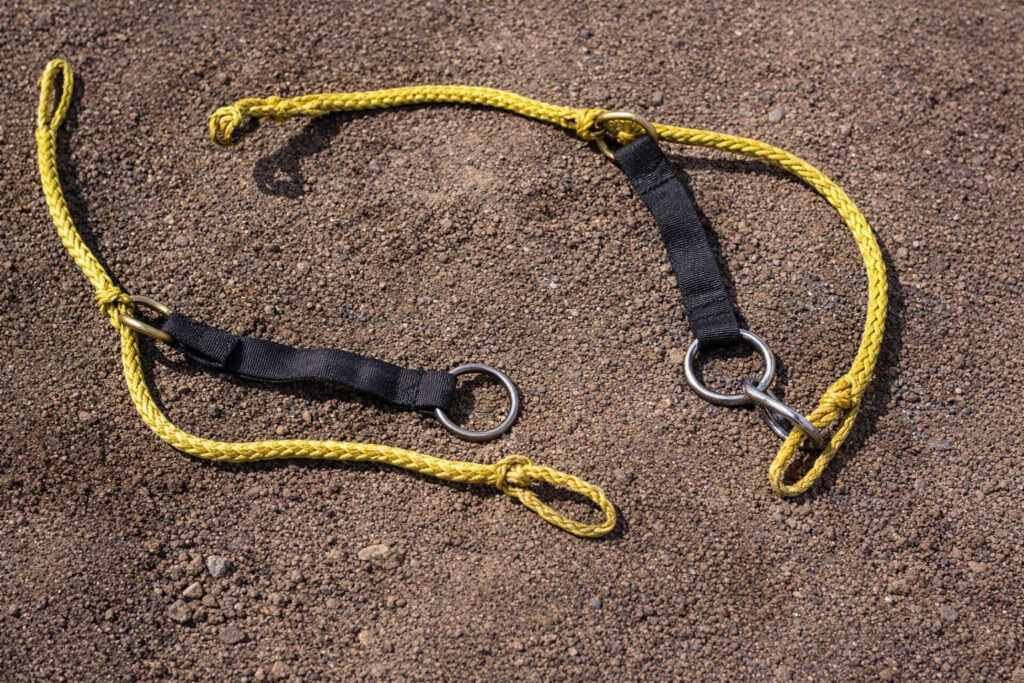
A specially crafted line featuring loops at both ends, designed to securely join the gangline to the headstock of the rig or scooter. This connection piece is typically made from high-quality rope or webbing material that can withstand significant pulling forces while maintaining its structural integrity.
Usage Tips: Check both loops for signs of wear or fraying before each run. Ensure the loops are properly sized – too large can lead to slack in the system, too small can create stress points. Position the connecting line so it doesn’t twist or tangle during use. Replace immediately if any damage or excessive wear is noticed. Keep a spare connecting line in your equipment kit. Clean and inspect the line after runs, particularly if it has been exposed to mud or grit.
Importance: The connecting line is a crucial safety component as it forms the primary link between the dogs and the rig. Its proper function ensures smooth power transfer from the team to the rig while allowing appropriate flexibility in the system. A well-maintained connecting line helps prevent sudden disconnections or equipment failures that could endanger both dogs and musher. The specific design with loops at each end facilitates quick attachment and detachment while maintaining maximum security during runs.
Shock Absorber/Bungee
The shock absorber, or bungee, is a slightly stretchable line that helps reduce the impact on the dogs when they start running. One end of the bungee is connected to the carabiner on the rig, while the other end is attached approximately one foot away on the gangline. This setup allows the bungee to absorb some of the initial force, preventing a sudden jerk when the dogs take on the full weight of the rig and musher.
Usage Tips: Securely attach one end of the bungee to the carabiner and the other to the gangline at the recommended distance. Ensure the bungee is in good condition and provides adequate stretch without compromising control. Replace the bungee if it shows signs of wear or loss of elasticity.
Importance: The shock absorber is essential for the comfort and safety of the dogs, as it smooths out the transition when they start pulling, reducing strain and helping them maintain a steady, controlled pace right from the start.
Dog Boots
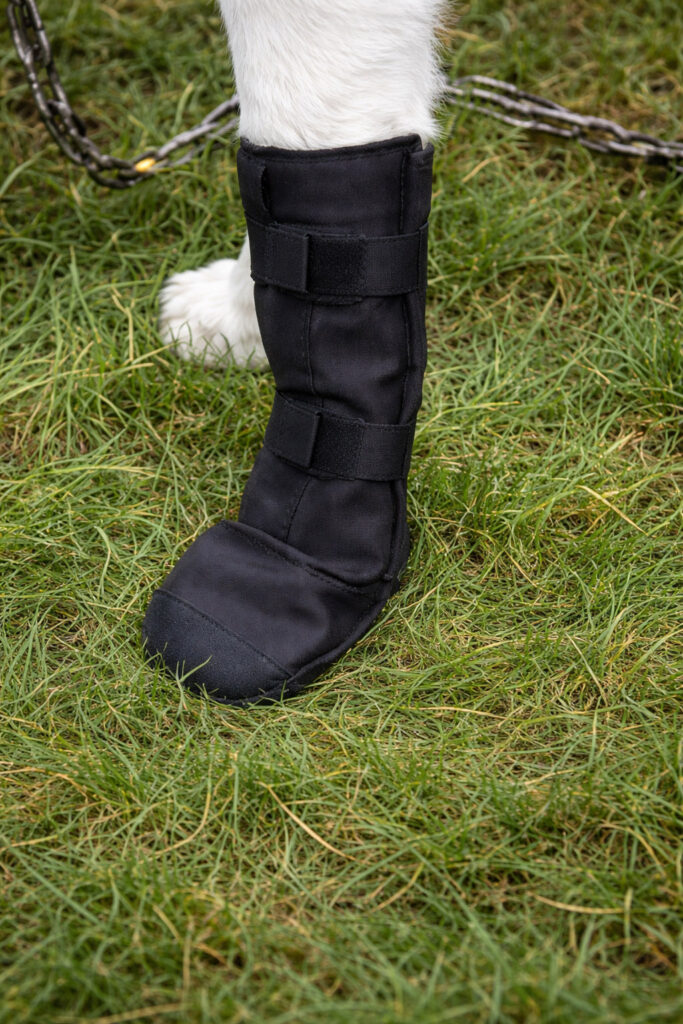
Protective footwear designed specifically for sled dogs to prevent pad injuries during runs. These boots are typically made from durable, water-resistant materials like Cordura nylon or similar fabrics, with secure fastening systems to keep them in place. They come in various sizes to accommodate different paw sizes and can be used on either front paws, back paws, or all four depending on the need.
Usage Tips: Measure each dog’s paws carefully to ensure proper fit – boots that are too tight can cause circulation issues while loose ones may fall off. Put the boots on just before running to prevent the dog from trying to remove them. Check and adjust the fasteners regularly during breaks. Carry spares as boots can occasionally come off during runs. After use, clean and dry the boots thoroughly to prevent degradation of the material and eliminate any ice buildup.
Importance: Dog boots are essential for protecting paw pads from various hazards including sharp ice, abrasive snow conditions, rough terrain, and extreme temperatures. They help prevent cuts, splits, and wear on paw pads that could sideline a dog from running. While not all dogs need boots in all conditions, having them available and knowing when to use them is crucial for maintaining a healthy and comfortable dog team, especially during long-distance runs or challenging trail conditions.
Clothing
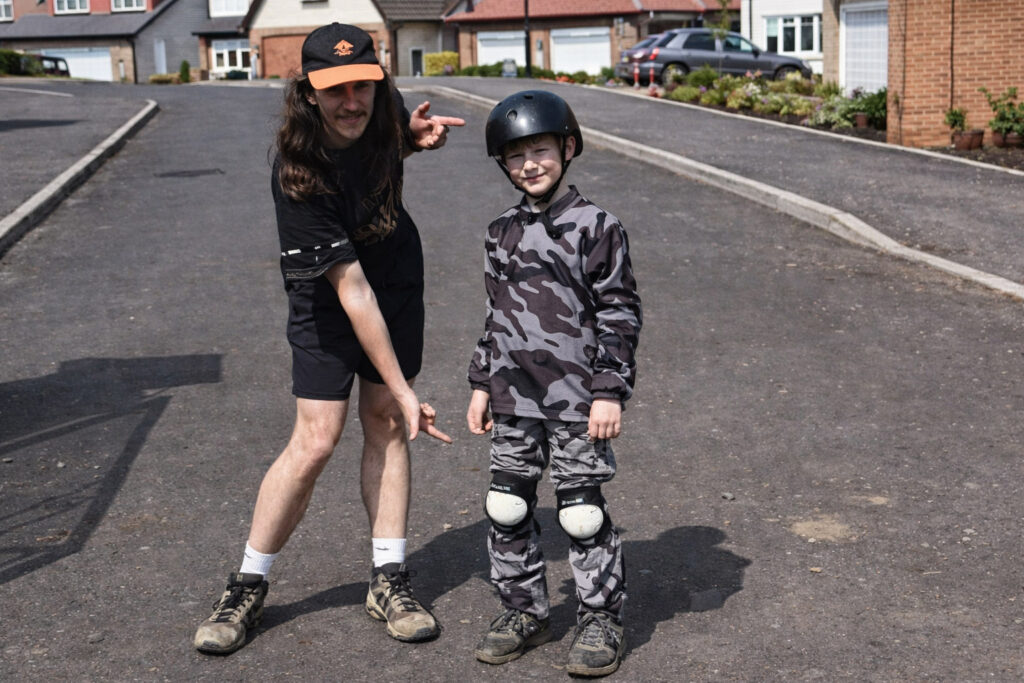
Proper mushing attire is essential for both safety and comfort during dog sports activities. The clothing system should be adaptable to changing weather conditions and activity levels, with an emphasis on moisture management and temperature regulation. Appropriate gear includes multiple layers that can be adjusted during runs.
Usage Tips: Start with a moisture-wicking base layer to keep sweat away from your skin. Add insulating middle layers that can be easily removed or added as needed. Use a waterproof, breathable outer shell to protect against wind and precipitation. Wear sturdy, waterproof footwear with good grip for running alongside or behind the rig. Avoid cotton clothing as it retains moisture and can lead to dangerous cooling. Choose clothes that allow full range of motion for running and handling the rig/sled.
Importance: Proper clothing can mean the difference between an enjoyable experience and a potentially dangerous situation. Maintaining appropriate body temperature while mushing is crucial, as you’ll alternate between periods of high activity (running, helping dogs up hills) and relatively static periods. The right clothing helps prevent both overheating and hypothermia, while ensuring you can effectively handle your dogs and equipment in any weather conditions. Additionally, appropriate footwear helps prevent slips and falls that could endanger both musher and team.
The Big Picture
While entry-level scooters like the Scootmania Cruiser can serve well on maintained trails, more robust models offer additional features for challenging terrain and varied conditions.
Usage Tips: Consider your typical running terrain when selecting a scooter model. For basic trails, a simpler model may suffice. For rough terrain, look for features like increased ground clearance and suspension forks. Test the brake systems thoroughly – disc brakes offer superior stopping power particularly in wet conditions. Ensure the scooter’s construction quality matches your intended usage intensity. Compare different models’ weight and portability factors if transport is a consideration.
Importance: Choosing the right scooter model significantly impacts both safety and enjoyment of the sport. More advanced features like disc brakes and suspension can make a substantial difference in control and comfort, particularly on challenging trails or during longer runs. While basic models can serve as an excellent introduction to the sport, investing in a higher-specification scooter like the Kickbike Cross Country can provide greater versatility and durability for serious mushers. The right choice depends on factors including terrain, frequency of use, and skill level of both musher and dogs.